Source Bio degradable disposable beer bag for Shopping, Packing, and Gift
Compare 30 listings for bio degradable disposable beer bag options featuring LDPE and PE materials. Evaluate customization, sealability, and biodegradable features for shopping, promotion, and household use from verified Chinese manufacturers; compare the available evidence and request quotations based on your requirements.
Key considerations
Products List




Comprehensive Sourcing Guide
Bio Degradable Disposable Beer Bag Sourcing Guide
Sourcing a biodegradable disposable beer bag requires buyers to balance material performance, regulatory expectations, and commercial terms across a fragmented supplier landscape. These products typically fall within the broader category of disposable underpant-style or vest-shaped plastic bags, manufactured from polyethylene resins such as LDPE through blow molding processes. Listings observed on B2B platforms show attributes such as heat transfer printing, logo customization, carton or bundle packing, and certifications like Intertek or SGS reports, which give buyers useful reference points when comparing offers.
This guide walks procurement teams through the full sourcing cycle: defining product scope, verifying technical specifications, assessing compliance documentation, understanding cost drivers, qualifying suppliers, and establishing long-term quality controls. Because "biodegradable" claims in plastic packaging are frequently overstated, particular attention is given to documentation that substantiates environmental claims without inventing standards or test results. Buyers should treat listing attributes as observations to be confirmed during sampling and auditing, not as guarantees that every listed product meets the stated performance. The goal is a defensible, repeatable sourcing process rather than a one-time lowest-price transaction.
Product Scope and Observed Listing Signals
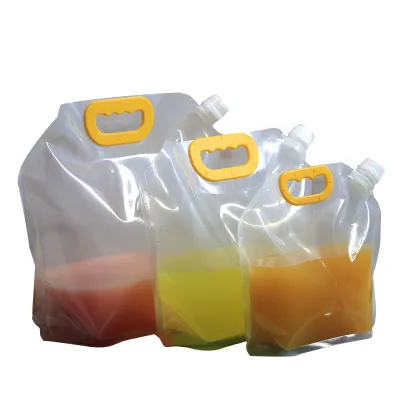
The product category covers several bag formats relevant to beer and beverage packaging. Observed listings include vest bags, stand-up pouches, square bags, and closure-pocket designs, with sizes such as 12*16 cm and standards spanning 6"–12". Materials reported include PE resin, LDPE, and PE/PVC blends, produced at blow molding grade. Stated features include biodegradability, recyclability, softness, transparency, good sealability, and freshness preservation. Intended uses listed span shopping, promotion, packing, gifting, and household applications, which suggests these bags serve both beverage retail and general packaging roles.
Buyers should use these listing signals as screening filters rather than conclusions. A listing advertising heat transfer printing and with-logo customization indicates OEM capability; one showing a model number like ZBP-2 or 0212 and a place of origin in Guangdong, China indicates organized production. Customization availability and custom order acceptance appear across listings, as do sample lead times of roughly seven days and delivery windows of 15 to 25 days. Sea plus air transport options and carton or bundle packing are also stated. Confirm each attribute directly with the supplier, because platform attributes may not map uniformly across all thirty or more competing offers in this category.
Technical Specifications to Verify
Before requesting quotes, define a specification sheet covering dimensions, film thickness, load capacity, and sealing method. Observed listings cite a weight limit of 5–10 kg and sizes in the 6"–12" range plus a 12*16 cm format, but buyers must confirm which values apply to the exact model quoted. Seal integrity matters for beer bags in particular: listings claim good sealability and freshness preservation, yet these should be validated through sample testing with filled product under realistic handling. Specify handle type—hand length handles are noted in listings—and whether vest-style shapes are required.
Material composition deserves equal rigor. PE resin and LDPE are standard choices for blow molding, but if a listing claims PE/PVC construction, clarify where PVC appears and whether it is acceptable for food or beverage contact in your market. For biodegradable claims, ask exactly which resin or additive delivers the property and request the supporting test basis; do not accept the keyword alone. Transparency, softness, and color (blue is listed) are straightforward visual checks on samples. Finally, confirm packaging format—carton versus bundle—and single gross weight (one listing shows 0.05 kg) so freight calculations use accurate figures.
Compliance and Safety Documentation
Compliance starts with material safety for the intended contact use. Beer bags that touch beverage containers or food items typically require food-contact documentation for the polyethylene resin, though the exact requirement depends on destination market regulations. Buyers should request the supplier's material safety declarations and any migration or contact-test reports rather than assuming compliance from the material name alone. Listings in this category reference Intertek and SGS certificates, which are useful third-party verification sources, but buyers must confirm which specific tests those certificates cover and request copies.
For the biodegradable claim, documentation is critical because regulators and retailers increasingly scrutinize environmental marketing. Ask the supplier to identify the standard their claim rests on and provide the corresponding test report. Standards commonly referenced in biodegradable plastics include ASTM D6400 and EN 13432; a buyer should verify whether the supplier's material has been tested to a recognized scheme and under what conditions, without assuming conformance from listing text alone. Recyclability claims similarly require clarification—PE films may be recyclable in some streams but not others. Keep all certificates on file with validity dates and scope, and re-verify annually or upon material changes.
Cost Drivers and Commercial Terms
Price variance in this category is driven by material choice, thickness, printing, and order volume. Observed listings span a very wide price range—from nominal cent-level pricing to premium quotes above fifteen thousand dollars—reflecting differences between simple vest bags and customized printed pouches. Thickness and resin grade (blow molding grade PE is listed) directly affect unit cost, while with-logo printing via heat transfer or screen printing adds plate and setup charges. Buyers should request itemized quotes separating material, printing, and packaging costs to compare offers fairly.
Commercial terms observed include a stated MOQ of 5,000 pieces, payment terms of T/T 30% deposit plus 70% balance, and delivery windows of 15–25 days with sample lead time around 7 days. Accept these as negotiation anchors, not fixed rules: buyers with larger volumes can push MOQ and pricing down, while customized printing may raise minimums. Confirm whether quoted prices are FOB, CIF, or EXW, and factor in sea versus air transport—both are listed as shipping options, with air suited to urgent replenishment and sea to volume orders. Lock terms in a written contract covering quality acceptance criteria and remedy procedures.
Supplier Qualification and Quality Control
Qualify suppliers through a structured review before committing volume. Start with the platform listing signals: Guangdong, China origin is common in this category, customization is broadly available, and certificate references to Intertek or SGS appear—but verify business licenses, factory photos or audit reports, and the actual scope of any certificates. Ask how long the factory has produced blow-molded PE bags and request references or export history for similar beverage or promotional bag orders. A supplier accepting custom orders with defined models (such as ZBP-2) suggests production organization worth probing further.
Quality control should combine incoming inspection with in-process checks. Agree on an AQL-based inspection plan covering dimensions, seal strength, printing registration, visual defects, and weight tolerance, and specify whether third-party inspection occurs before shipment. Conduct pre-production samples and golden samples signed by both parties; given the 15–25 day delivery window, build inspection time into the schedule so defects are caught before goods ship. For biodegradable or recyclable claims, make certificate authenticity a contractual condition. Track defect rates across orders and require corrective action reports, using results to decide which suppliers earn repeat volume.
Long-Term Procurement Checks
Sustained value comes from periodic requalification rather than a single approval. Re-verify certificates annually, especially biodegradable and food-contact documentation, since standards evolve and test reports expire. Monitor resin market conditions—LDPE prices fluctuate—so pricing reviews are data-driven rather than adversarial. Maintain at least two qualified suppliers per bag format to protect continuity, and record each supplier's actual lead-time performance against the stated 15-day or 15–25 day windows. Keep a specification master file linking each model number, size, material, and printing method to its approved samples.
Operational checks should extend to logistics and packaging consistency. Confirm carton or bundle packing remains stable across orders, that single gross weights match freight bookings, and that sea/air shipping choices are optimized per season. Review printing quality drift on repeat orders, since heat transfer and screen printing can vary between production batches. Buyers should also track regulatory developments around biodegradable claims in their destination markets and adjust documentation requirements proactively. Finally, consolidate feedback from retail or promotional end users—since listings cite shopping, promotion, gift, and packing uses—into annual specification reviews that keep the product aligned with real-world performance.
No further content follows this section.
FAQs
Can these bags be customized with a logo?
Yes, logo printing is available for these packaging bags. The supplier accepts custom orders and offers various printing methods including heat transfer, pad printing, and screen printing. This allows buyers to brand the bags effectively for shopping, promotion, or household use while maintaining the required product integrity.
What is the minimum order quantity for these bags?
The minimum order quantity is 5000 pieces. This MOQ applies to the customizable packaging bags described. Buyers should note that production typically requires 15 to 25 days after order confirmation. Samples are available within 7 days for quality verification before committing to the full bulk order volume.
What material are these biodegradable bags made from?
These bags are primarily made from PE resin, specifically LDPE or PE PVC grades suitable for blow molding. The material is designed to be biodegradable and recyclable. This composition ensures the bags are soft, transparent, and durable enough for various applications including gift packaging, shopping, and general household storage needs.
How long does delivery take for these bags?
The standard delivery time is 15 days for sample orders. For bulk production, the lead time ranges from 15 to 25 days. Shipping options include both sea and air transport. Buyers should plan their procurement schedule accordingly to ensure timely arrival, especially when coordinating with specific project deadlines or seasonal demands.
What certifications do these packaging bags hold?
The products hold Intertek and SGS certifications. These credentials verify the quality and safety standards of the packaging materials. Buyers can rely on these certifications to ensure compliance with international trade requirements. The certifications support the claim of the bags being suitable for food-adjacent or general consumer packaging applications.
What sizes are available for these vest bags?
The bags come in a variety of sizes, including specific dimensions like 12x16 cm and standard ranges from 6 to 12 inches. The product line includes vest bags and square bag shapes. Customized sizes are also available to meet specific packaging requirements for different product volumes and retail display needs.